Protecting Surgical Outcomes with On-Site Vascular Graft Monitoring
PERIPHERAL MOBILE IMAGING brings accurate bypass graft surveillance directly to physician practices, surgical follow-up clinics, long-term care facilities, and patient bedsides across Maryland, Washington DC, and Northern Virginia.
We deliver tailored health plans and services to meet your unique needs.
Our medical approach
Bypass Graft Surveillance
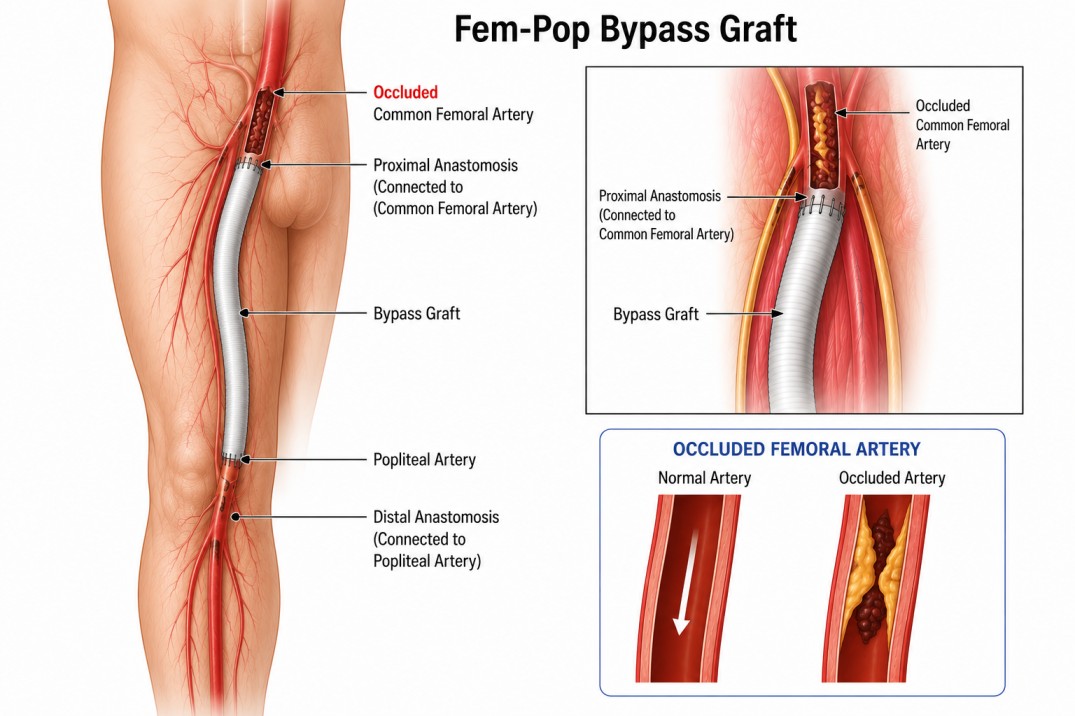
A bypass graft surveillance ultrasound is a safe, non-invasive examination used to evaluate a vascular bypass graft and the blood flow through the arteries supplying it. A bypass graft is created to redirect blood around a severely narrowed or blocked artery, helping restore circulation to the affected limb.
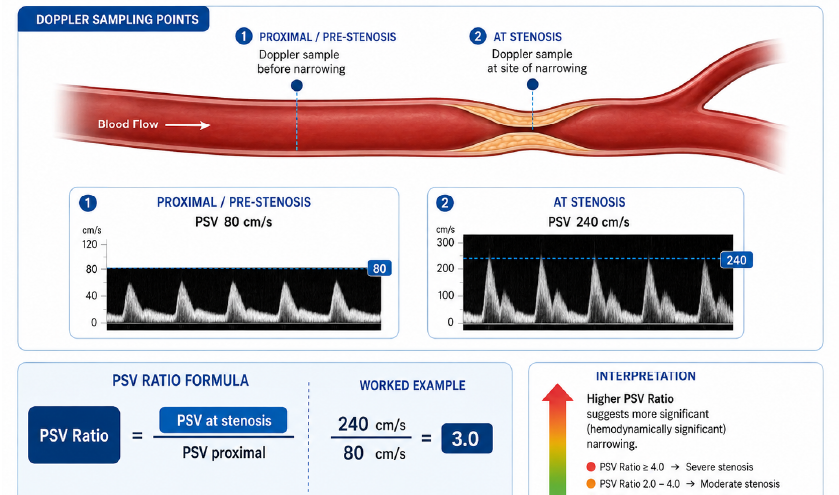
Over time, a bypass graft or the arteries connected to it may develop narrowing (stenosis), reduced blood flow, or blockage. Duplex ultrasound allows your healthcare provider to monitor the graft and identify changes sometimes before noticeable symptoms develop.
Early detection. Timely intervention. Better graft protection.
Key Benefits
Limb & Graft Preservation
Identifies failing grafts early so corrective intervention can prevent complete thrombosis.
Completely Non-Invasive
Evaluates graft hemodynamics without needles, arterial puncture, or contrast dye.
Bedside Convenience
Enables post-operative patients to receive critical vascular follow-ups without difficult clinic travel.
Clinical Indications & Who Needs This Test
Regular surveillance can help:
Detect narrowing or blockage within or near the graft
Evaluate blood flow through the graft
Identify problems that may place the graft at risk of failure
Guide treatment or additional follow-up when necessary
Help maintain circulation and reduce the risk of serious complications
The examination is painless, uses no radiation, and requires no needles. A technologist gently moves an ultrasound probe along the course of the bypass graft while obtaining images and blood-flow measurements.
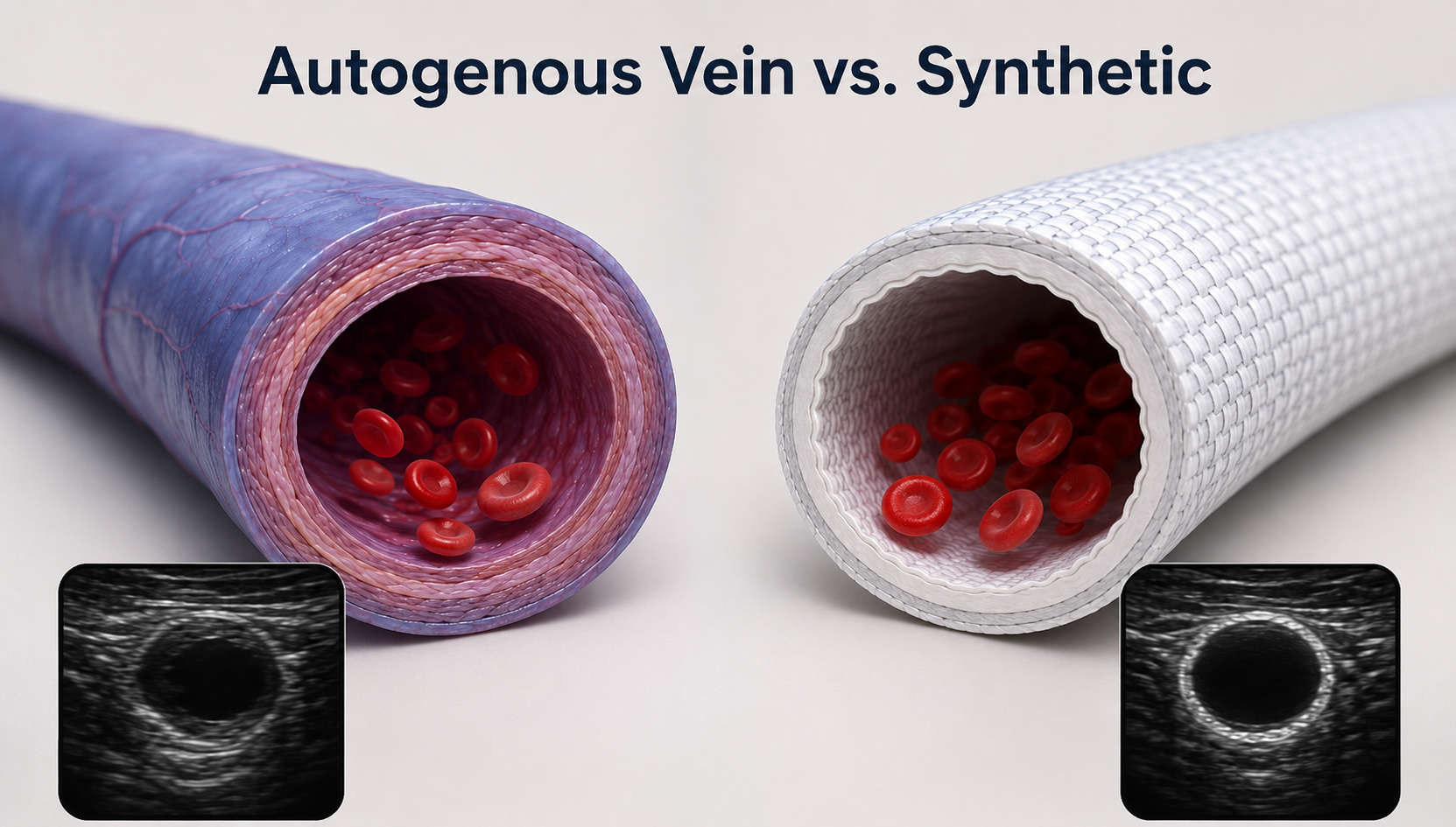
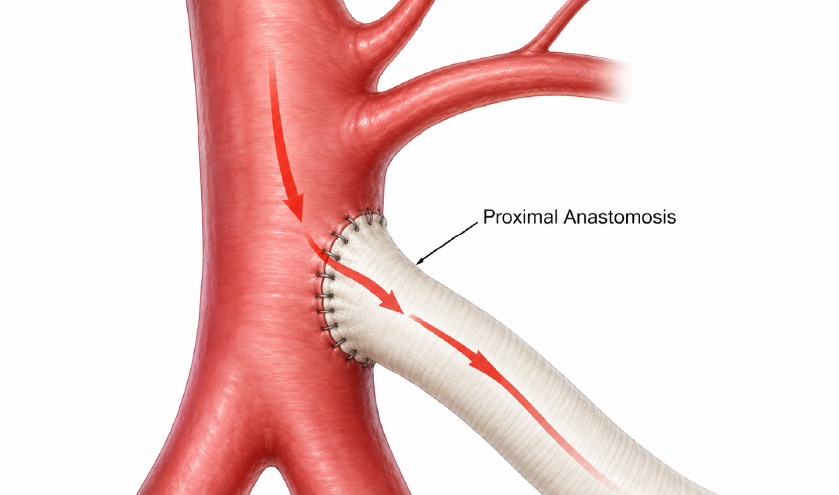
The technologist reviews previous surgical reports to determine graft type (autogenous vein vs. synthetic), insertion points (proximal and distal anastomoses), and past baseline velocities.
Comprehensive Duplex Scan
Using warm acoustical gel, our technologist scans the inflow native artery, the proximal anastomosis, the entire length of the graft body, the distal anastomosis, and the outflow vessel.
Hemodynamic Evaluation
Color Doppler and Spectral Doppler velocities are measured to calculate Peak Systolic Velocity (PSV) ratios, identifying localized stenosis or low-flow states.
Duration
The bedside evaluation typically takes 45 to 60 minutes.
Empowering Brands
Rapid Findings Delivered directly to Ordering Surgeons
Timely notification of graft compromise is essential to prevent acute graft failure and revision surgery.